Neurosurgery in India for Patients from Kampala, Uganda
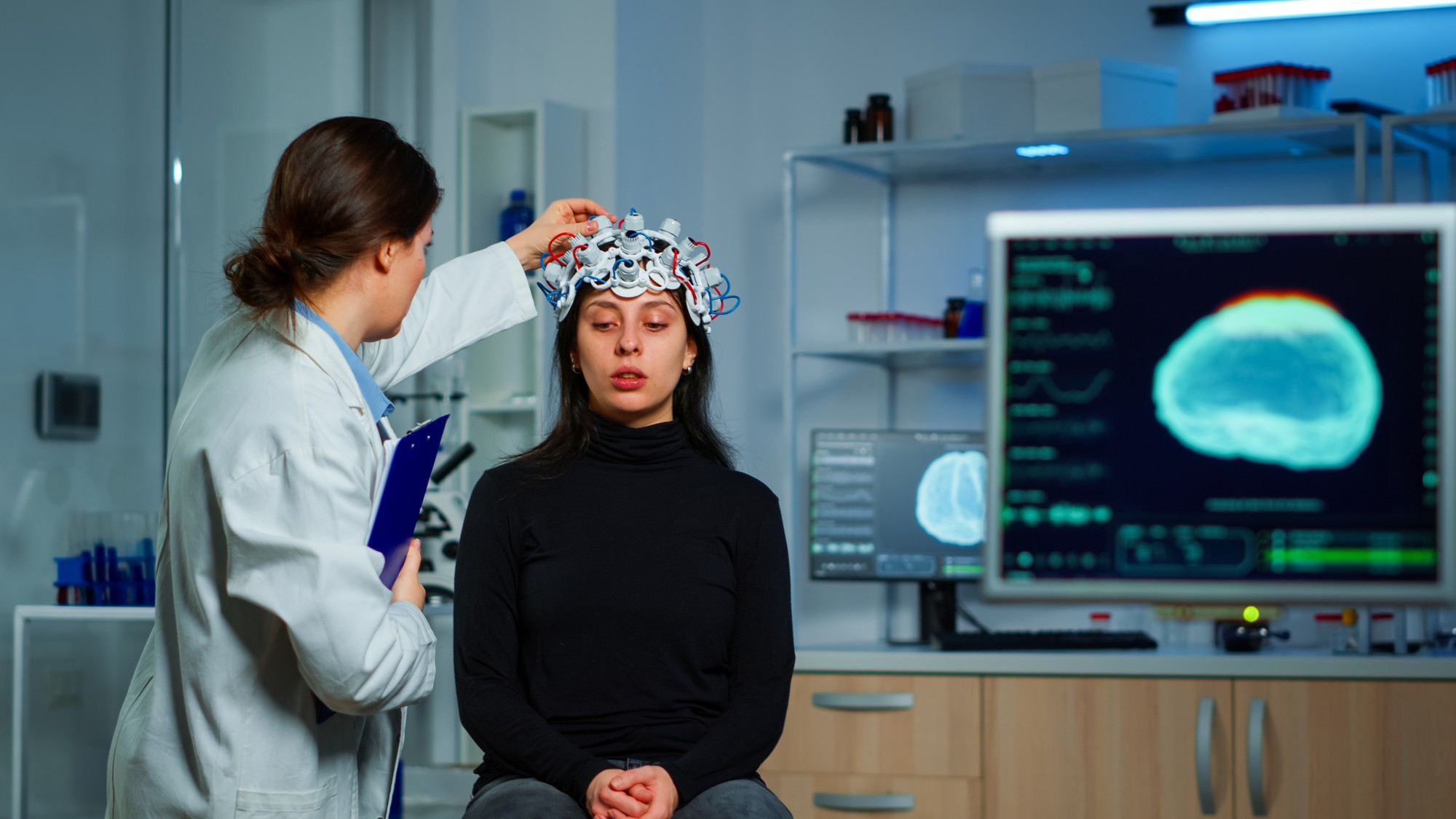
Brain tumour surgery is one of the most technically demanding procedures in medicine. The difference in outcomes between a hospital performing 20 brain tumour resections a year and one performing 200 is not marginal. Surgical volume, subspecialty training, intraoperative technology, and post-operative neurocritical care all matter enormously.
Uganda has neurosurgeons. Mulago National Referral Hospital has a neurosurgery department. But for complex cases — tumours near critical structures, skull base surgery, complex spine reconstruction, deep brain stimulation, stereotactic radiosurgery — the infrastructure in Kampala has limits. Patients who need high-end neurosurgical care routinely find they have to go abroad.
India has become the destination of choice for most Kampala patients in this situation. Brain tumour surgery in India starts from approximately USD 5,000 to USD 7,000 — 70 to 90 percent lower than equivalent procedures in Western countries. The neurosurgeons at India's top hospitals — Artemis, Apollo, Fortis, Medanta — have training from leading international centres. The technology includes intraoperative MRI, neuromonitoring, Gamma Knife radiosurgery, and robotic spine surgery systems.
Neurological Conditions Treated in India
Brain Tumours — primary brain tumours (glioma, meningioma, pituitary adenoma, acoustic neuroma, medulloblastoma) and metastatic tumours that have spread from other cancers. Surgery aims to remove as much of the tumour as possible while preserving neurological function. For benign tumours like meningiomas, success rates for complete removal run 85 to 95 percent. Malignant gliomas have more guarded outcomes but surgery combined with radiation and chemotherapy remains the standard approach.
Spine Surgery — disc herniations causing nerve compression, spinal stenosis causing leg weakness or pain, spondylolisthesis, cervical disc disease, and complex spinal deformities. India's top spine surgeons perform microdiscectomy, TLIF, PLIF, cervical disc replacement, and revision spine surgery. Minimally invasive and robotic-assisted spine surgery is available at Medanta and Apollo, reducing blood loss and recovery time.
Cerebrovascular Surgery — aneurysm clipping, AVM (arteriovenous malformation) resection, carotid endarterectomy. High-precision procedures requiring experienced vascular neurosurgeons with intraoperative neuromonitoring.
Deep Brain Stimulation (DBS) — for Parkinson's disease and dystonia uncontrolled by medication. Electrodes placed in specific brain structures deliver continuous electrical stimulation, significantly reducing tremor and improving quality of life. India's DBS programmes at Apollo and Fortis report outcomes comparable to leading international programmes.
Stereotactic Radiosurgery (Gamma Knife / CyberKnife) — non-invasive treatment delivering highly focused radiation to brain tumours, AVMs, and metastases. No incision, no general anaesthetic, typically done as a day procedure. Gamma Knife and CyberKnife are available at multiple Indian hospitals. Cost from USD 7,000 to USD 9,000.
Paediatric Neurosurgery — brain tumours and hydrocephalus in children are treated at Apollo and Fortis, both of which have dedicated paediatric neurosurgery programmes.
Why India's Neurosurgical Outcomes Are Credible
India's top neurosurgery centres report gross total resection rates of 88 to 92 percent for brain tumour surgery — matching international benchmarks. These numbers come from published data, not marketing claims. JCI accreditation means an independent international body has audited quality and safety standards.
The neurosurgeons who work at Artemis, Apollo, Fortis, and Medanta trained in India and then typically completed fellowships or advanced training at institutions in the UK, US, or Germany before returning to practice. The intraoperative technology they use — real-time MRI, fluorescence-guided surgery, neuronavigation, electrophysiological monitoring — is the same technology used in leading Western centres.
Hospitals Prime Medical Works With
1. Artemis Hospital, Gurgaon
Prime Medical partner. Dr. Aditya Gupta is one of India's most respected neurosurgeons, subspecialised in brain tumour surgery and complex skull base procedures. JCI accredited.
2. Apollo Hospital, Delhi (Indraprastha)
Full neurosurgery programme including DBS, radiosurgery, and complex tumour surgery. Dr. Rajendra Prasad and Dr. Sudheer Kumar Tyagi lead the team. JCI accredited.
3. Fortis Memorial Research Institute, Gurgaon
Strong neurosurgery department. Gamma Knife available. Experienced in complex spinal reconstruction.
4. Medanta – The Medicity, Gurgaon
Robotic spine surgery using the most advanced systems. Complex tumour cases. Experienced neurosurgery team.
5. Max Super Speciality Hospital, Saket, Delhi
Dr. (Col) Joy Dev Mukherji leads neurosciences. Strong neuro-oncology programme. Competitive pricing.
Getting from Kampala to Neurosurgery in India
Send recent MRI or CT scan of the brain or spine, pathology reports if a biopsy has been done, neurology assessment, and a summary of current symptoms and their progression to Prime Medical Solutions. Within 48 hours, the neurosurgeon reviews the case and provides a written opinion — surgical recommendation, expected approach, and cost estimate.
Ugandan nationals apply for an Indian e-medical visa online. Prime Medical provides the hospital appointment letter. Processing: three to five working days. Ethiopian Airlines connects Entebbe to Delhi via Addis Ababa — ten to twelve hours total. Airport pickup on arrival is arranged.
Hospital stay for brain tumour surgery: five to seven days in hospital, two to three weeks in India post-discharge for monitoring. Complex spine surgery may require similar or slightly longer. Radiosurgery (Gamma Knife or CyberKnife) is typically a one-day procedure with a short observation period.
What Kampala Patients Ask
1. My MRI shows a tumour. How do I know if it needs surgery?
Not all brain tumours require immediate surgery. Some — particularly small, slow-growing, or asymptomatic tumours — are monitored with serial imaging. Others need surgery urgently. The neurosurgeon reviews your scan and current symptoms and advises what is appropriate. This assessment is something Prime Medical can arrange remotely in many cases before travel is confirmed.
2. Is there a risk that surgery will cause more neurological damage?
This is the most important question in neurosurgery and good surgeons address it directly. The risk depends on the tumour's location, size, and relationship to critical structures. India's top neurosurgeons use intraoperative monitoring and neuronavigation specifically to reduce this risk. They will give you an honest assessment of the specific risks for your case.
3. What about recovery after brain surgery — how long do we stay in India?
Most patients are up and moving the day after surgery. Hospital stay is typically five to seven days. Post-discharge, patients remain in India for two to three weeks for outpatient monitoring and any required physiotherapy or rehabilitation before the neurosurgeon clears them to fly.
Start Here
If you or a family member in Kampala has received a neurological diagnosis requiring surgical evaluation, share your MRI and relevant reports with Prime Medical Solutions.
To book a consultation, call the number on our website. A coordinator will have the neurosurgeon review your case within 48 hours and come back with a surgical opinion and a clear picture of what treatment would involve.


